What to Wear for Yoga? A Sourcing Guide for Buyers & Brands
The global yoga apparel market is projected to reach $54.65 billion by 2033. For wholesalers, distributors, and brand owners, the real question is no longer “what to wear” but “what to source to satisfy US and EU customers?” The answer comes down to fabric engineering, sustainability credentials, and smart supply chain choices.
US & EU Market Priorities at a Glance
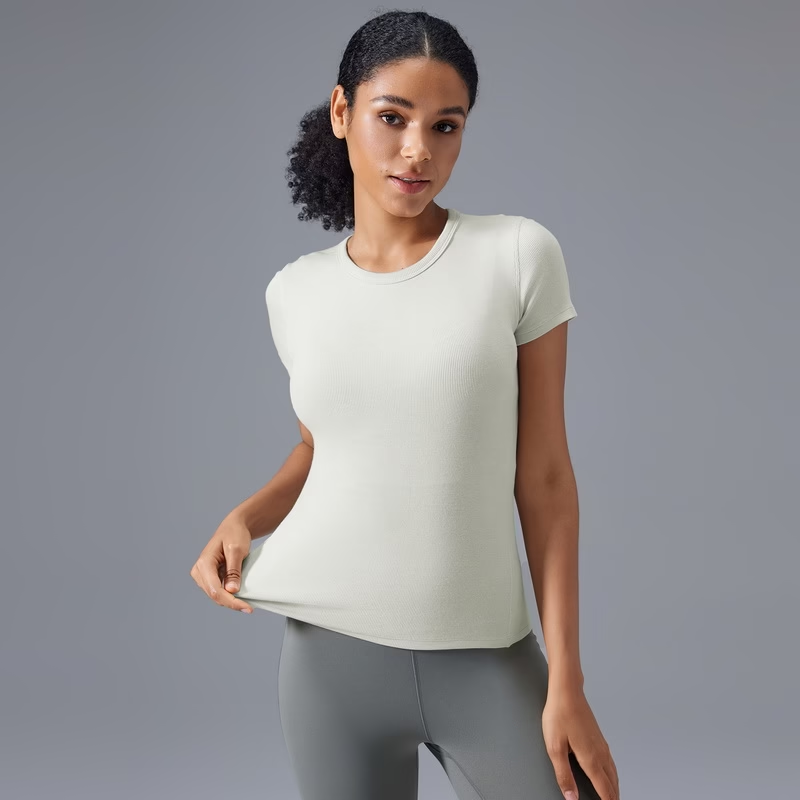
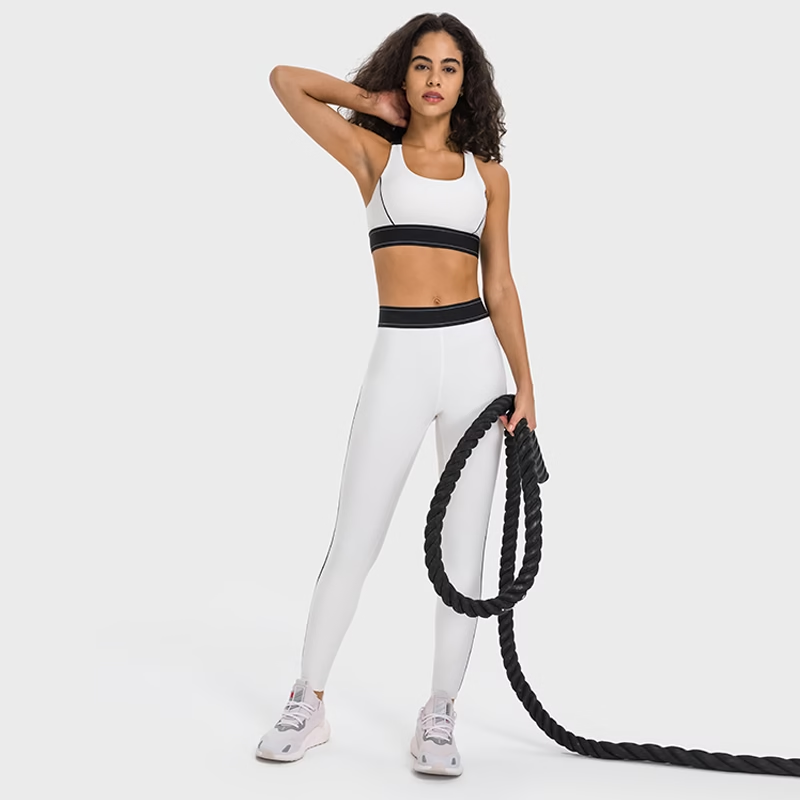
North American buyers look for compression support, moisture-wicking performance, high-waisted seamless designs, and that “second-skin” comfort. Brand storytelling around fabric innovation carries strong premium appeal.
European buyers are heavily sustainability-driven. Certifications like GOTS, Oeko-Tex, and BSCI often determine purchasing decisions. They favor low-saturation neutrals, minimalist aesthetics, and locally-minded or verifiably sustainable manufacturing.
Technical Specs That Matter for B2B Sourcing
Performance fabrics are non-negotiable. Here are the core requirements:
Moisture-wicking is the top priority—sweat must move from the skin to the outer layer and evaporate quickly. The industry workhorse is a nylon-spandex blend.
Four-way stretch ensures freedom across all asanas without bagging or losing shape. Spandex content should fall between 12% and 20%.
Antimicrobial and anti-odor treatments are essential for hot yoga and high-intensity classes—and a clear differentiator for premium lines.
Seamless construction reduces chafing and delivers a flattering, sleek look that Western consumers increasingly expect.
Why Custom Yoga Wear (ODM/OEM) Is a Strategic Move
Off-the-shelf products rarely build brand loyalty. Customization gives you three concrete advantages:
Brand differentiation – Custom colors, exclusive prints, and embroidered or heat-transfer logos create a recognizable visual identity that stands out in a crowded market.
Niche targeting – You can adjust sizing curves for different body types or add features like UV protection or temperature regulation for specific use cases (outdoor yoga, hot studios, travel wear).
Small-batch quick response – Flexible Chinese manufacturers now support MOQs as low as 300–500 pieces per style. This allows you to test new designs, run seasonal drops, and keep inventory lean.
How to Evaluate a Yoga Wear Supplier
Choosing the right factory partner is as critical as the product itself. Use these benchmarks during your vetting process:
- On-time delivery rate – aim for 97% or above.
- Reorder rate from existing clients – above 25% signals genuine satisfaction.
- Eco-certifications – GOTS, Oeko-Tex Standard 100, and BSCI are table stakes for Europe and increasingly for the US.
- Response time – a reliable partner replies within 3 business hours during your working window.
China’s manufacturing regions offer distinct strengths:
- Fujian – excels in eco-friendly dyes and high-performance moisture-wicking fabrics.
- Guangdong – leads in rapid prototyping and fast-turnaround production.
- Zhejiang – built for scaled manufacturing, ideal for mid-to-large volume orders.
The Bottom Line for Buyers
Successful yoga wear brands in the West are not selling “clothes.” They are selling a lifestyle built on technical fabric performance, lasting comfort, and personal expression through design.
Your competitive edge comes from partnering with an OEM/ODM manufacturer that combines strong R&D, credible eco-certifications, and flexible production capacity. That combination lets you respond to trends quickly, meet regulatory and consumer expectations, and build a brand that wholesalers and retailers actually want to carry.
Ready to start your custom or wholesale yoga wear project? Reach out for tailored sourcing advice and product recommendations.